Affirmative
Illustrate the lesson
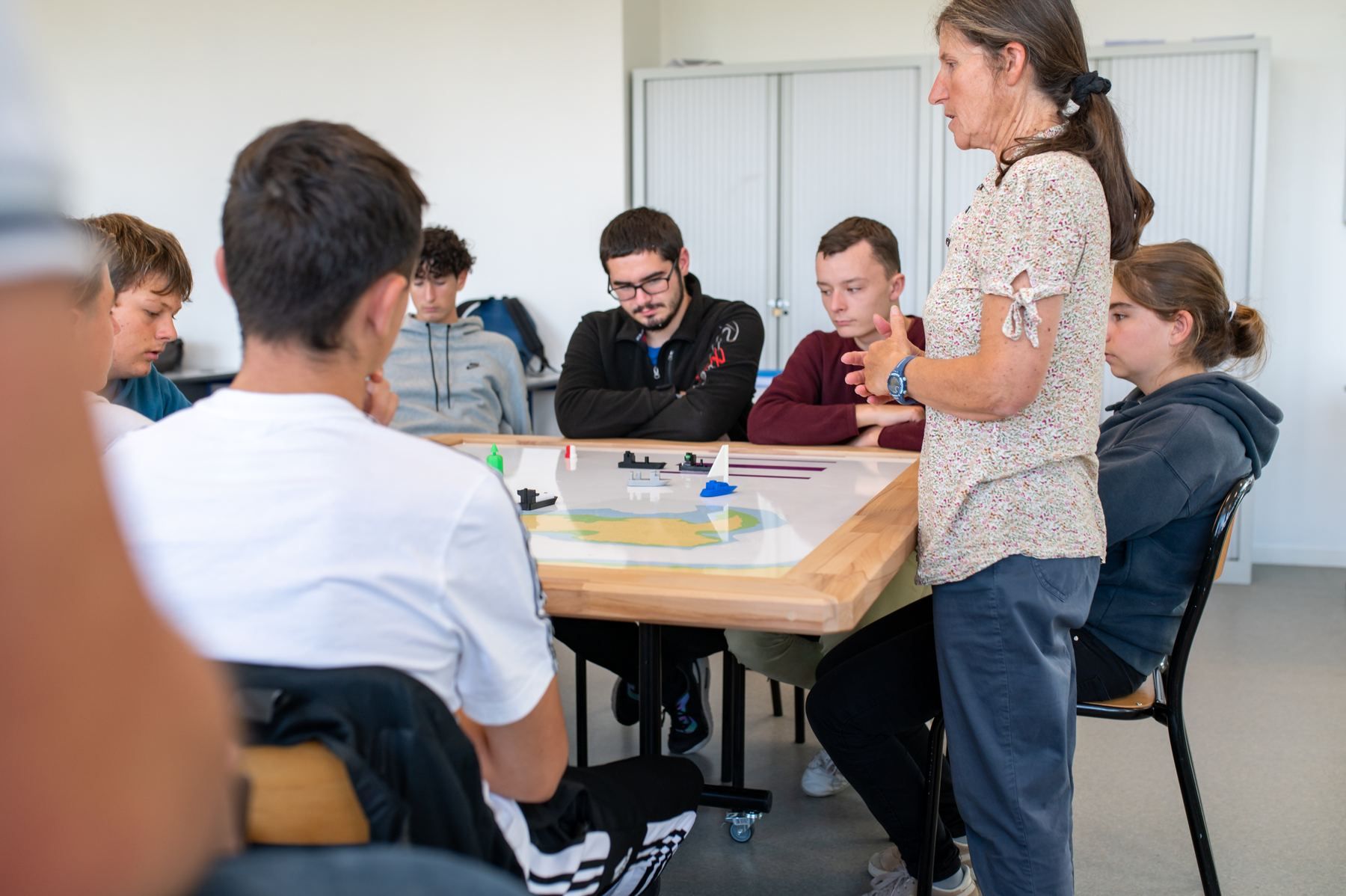
The instructor uses Nauticademy within a traditional lesson to illustrate theory: signals, weather, charts.
Our story
Nauticademy grew out of first-hand experience: that of Arthur Le Grel, a student at the maritime schools of Paimpol and then Le Guilvinec.
Faced with pages of rules to learn by heart, he had an idea nobody had had before: design a different way to learn the rules of the sea. Put the situations on the table, move them around, see them.
That idea became the Learning table, first adopted by the maritime schools of Paimpol and Le Guilvinec, then a 2022 winner of the regional business creation competition. Today Nauticademy is part of Kaozéal, the Paimpol company Arthur founded, which designs and makes every piece in its own workshop.
"I offer an immersive, playful experience that makes maritime learning easier."
Arthur Le Grel, founder

Play as a learning tool, for a more stimulating kind of engagement.
Engaging through play creates a more motivating learning environment and encourages creative and critical thinking.
The game is not an add-on to the lesson: it is part of the method. Its rules can reward the correct use of a steering rule, or push students to solve a navigation situation creatively.
Research is ongoing, but many studies already show that games in the classroom increase motivation, strengthen engagement with the subject and lead to deeper understanding.
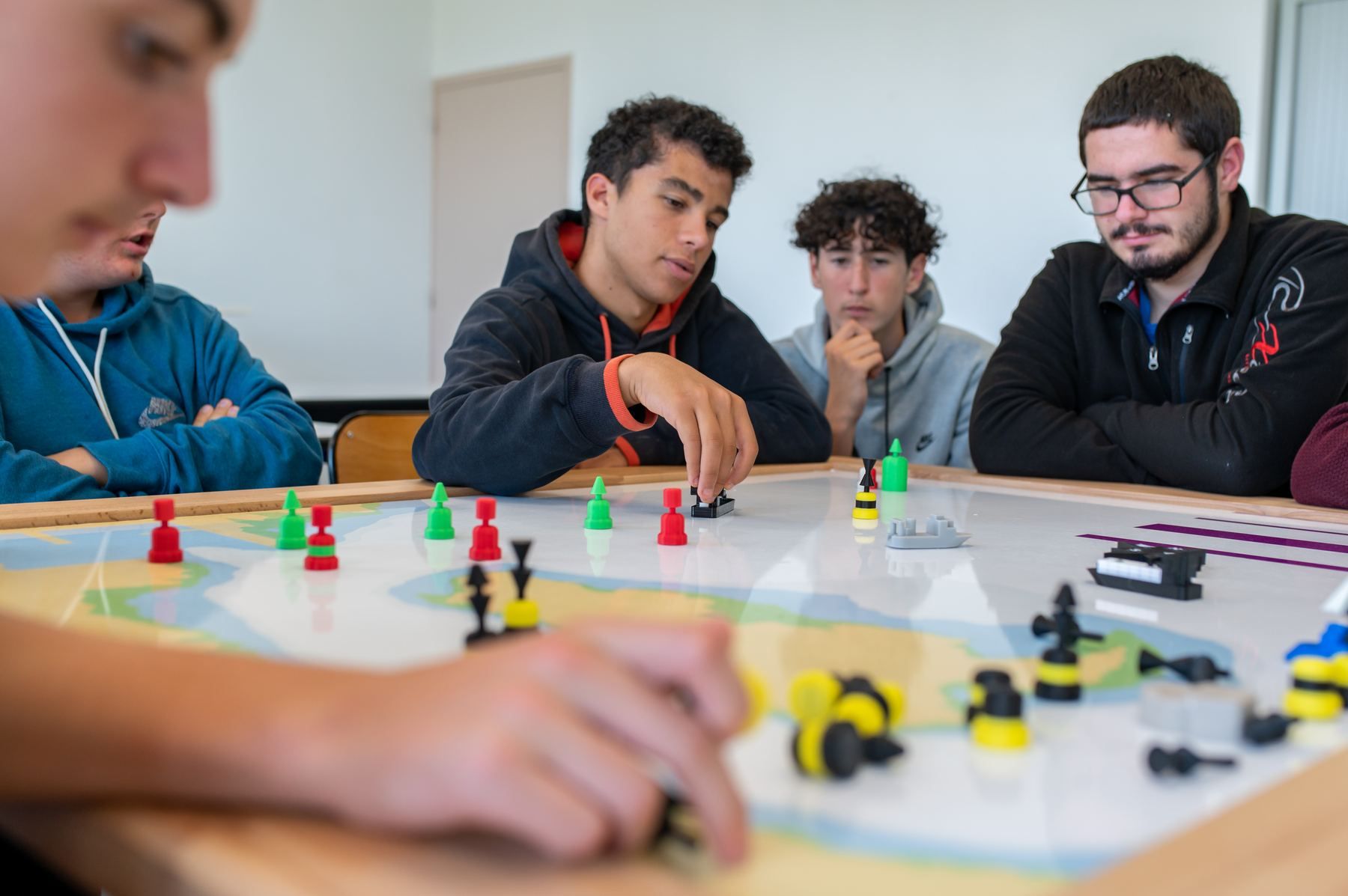
Nauticademy combines them. In each one, the instructor is the game master.
The instructor uses Nauticademy within a traditional lesson to illustrate theory: signals, weather, charts.
The instructor guides and facilitates. By touching, moving and observing the pieces, students think a maritime situation through: action builds knowledge.
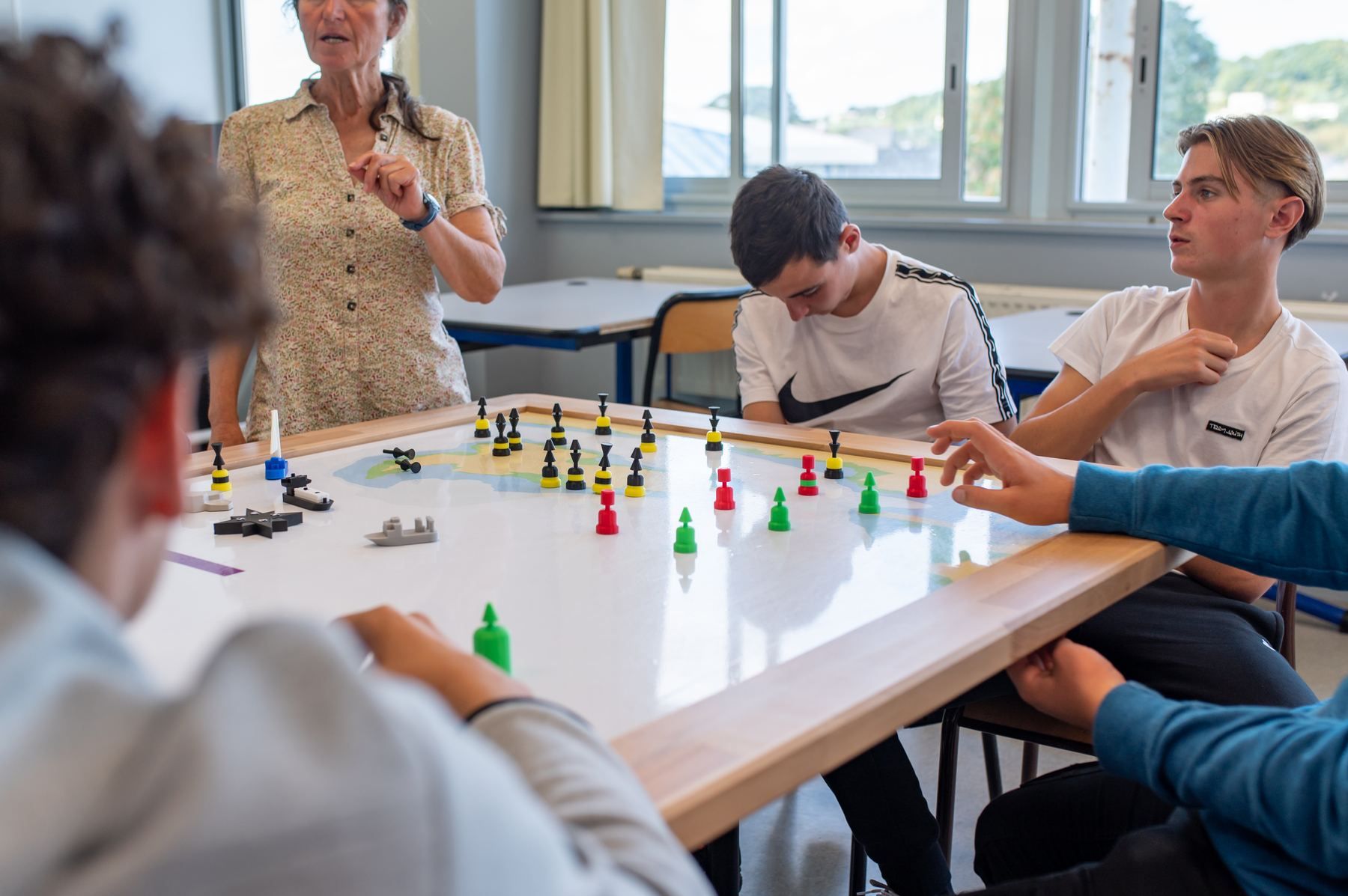
Say it, have them say it, question, listen. Students build new skills on what they already know, through situations of increasing difficulty, and can be assessed.
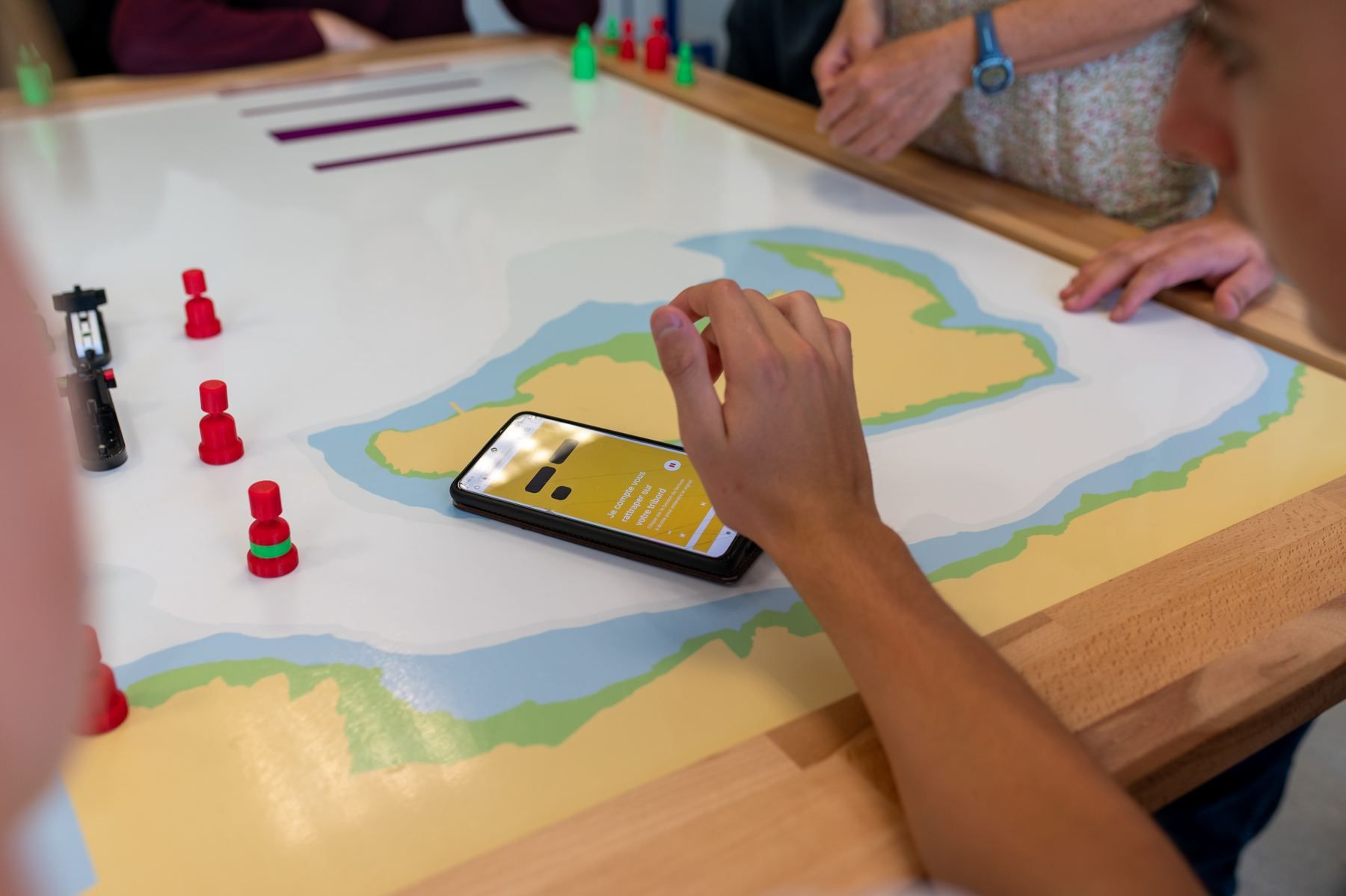
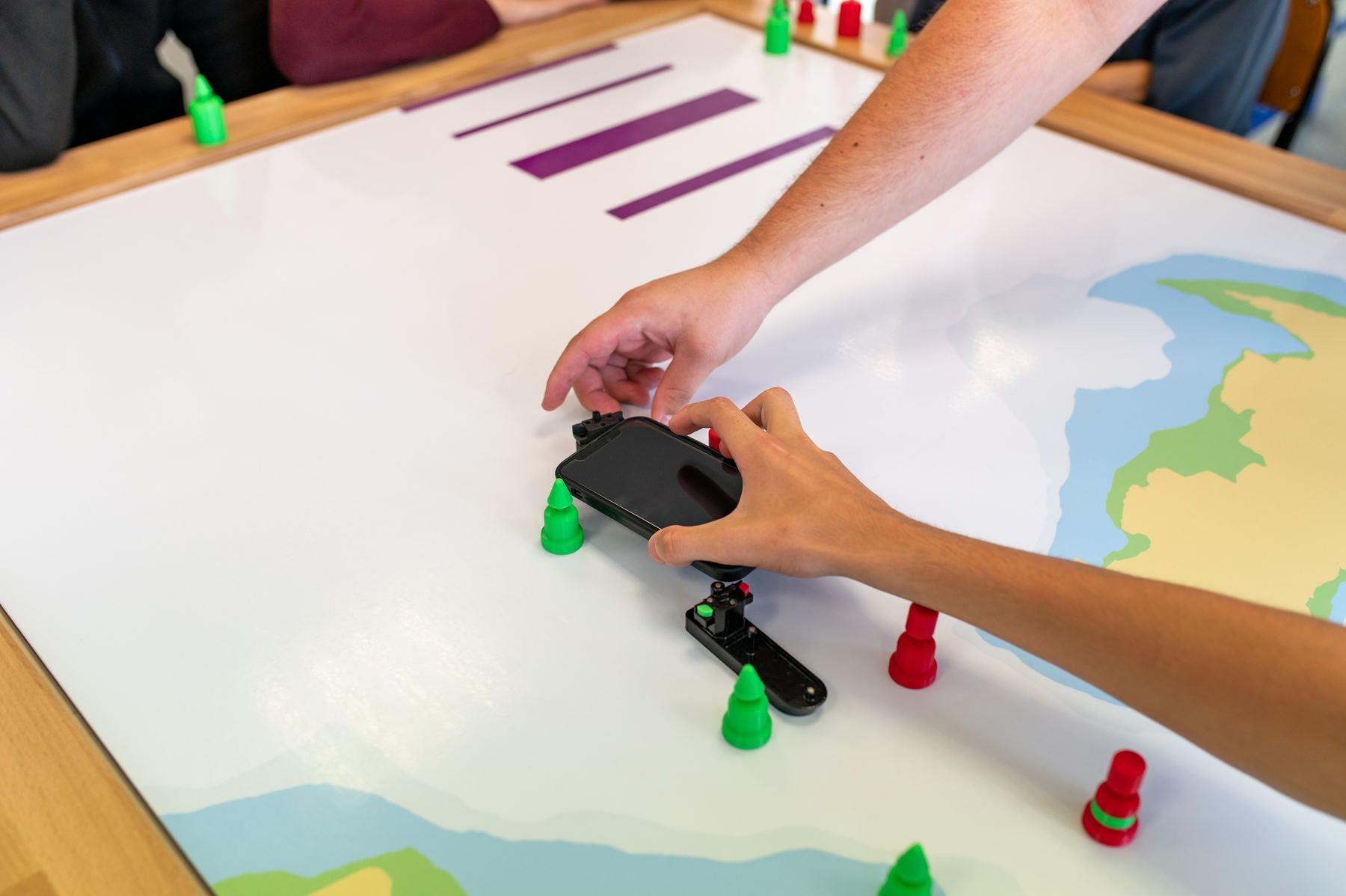
Some pieces can be fitted with NFC chips. Hold a smartphone near a vessel or buoy to hear and see its characteristic sounds and lights. The experience becomes more realistic and more interactive.
 AvailableLearning tableThe complete board: steering rules, buoyage, lights, sound signals.Discover
 Coming soonShip's LightsA tool dedicated to vessel lights, developed with the Lycée de la Mer et du Littoral in Bourcefranc-le-Chapus.
 In developmentStabilityA tool to understand and teach ship stability.